
Global Shapers Lagos Launches the Green Inheritance Project to Tackle Plastic Pollution Through Community Action and Innovation
Every day, Lagos generates over 13,000 metric tonnes of solid waste, yet less than 10% is formally recycled. From plastic bottles discarded after use to other recyclable materials, much of this waste finds its way into streets, drainages and waterways, contributing to environmental pollution, blocked drainage systems, flooding and public health risks.
But what if waste could become an opportunity for innovation, enterprise and lasting community impact?
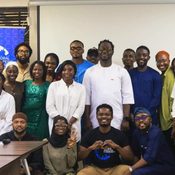
This question is at the heart of the Green Inheritance Project, an initiative by the Global Shapers Community Lagos Hub designed to address plastic pollution and strengthen sustainable waste management through community engagement, recycling and youth-led innovation.
The initiative also advances one of the Hub’s core pillars, Protect the Planet, which focuses on promoting environmental sustainability and supporting practical, community-driven responses to environmental challenges. Through Green Inheritance, the Hub is taking this commitment beyond awareness campaigns by creating opportunities for residents, businesses and young innovators to participate directly in building a more sustainable environment.
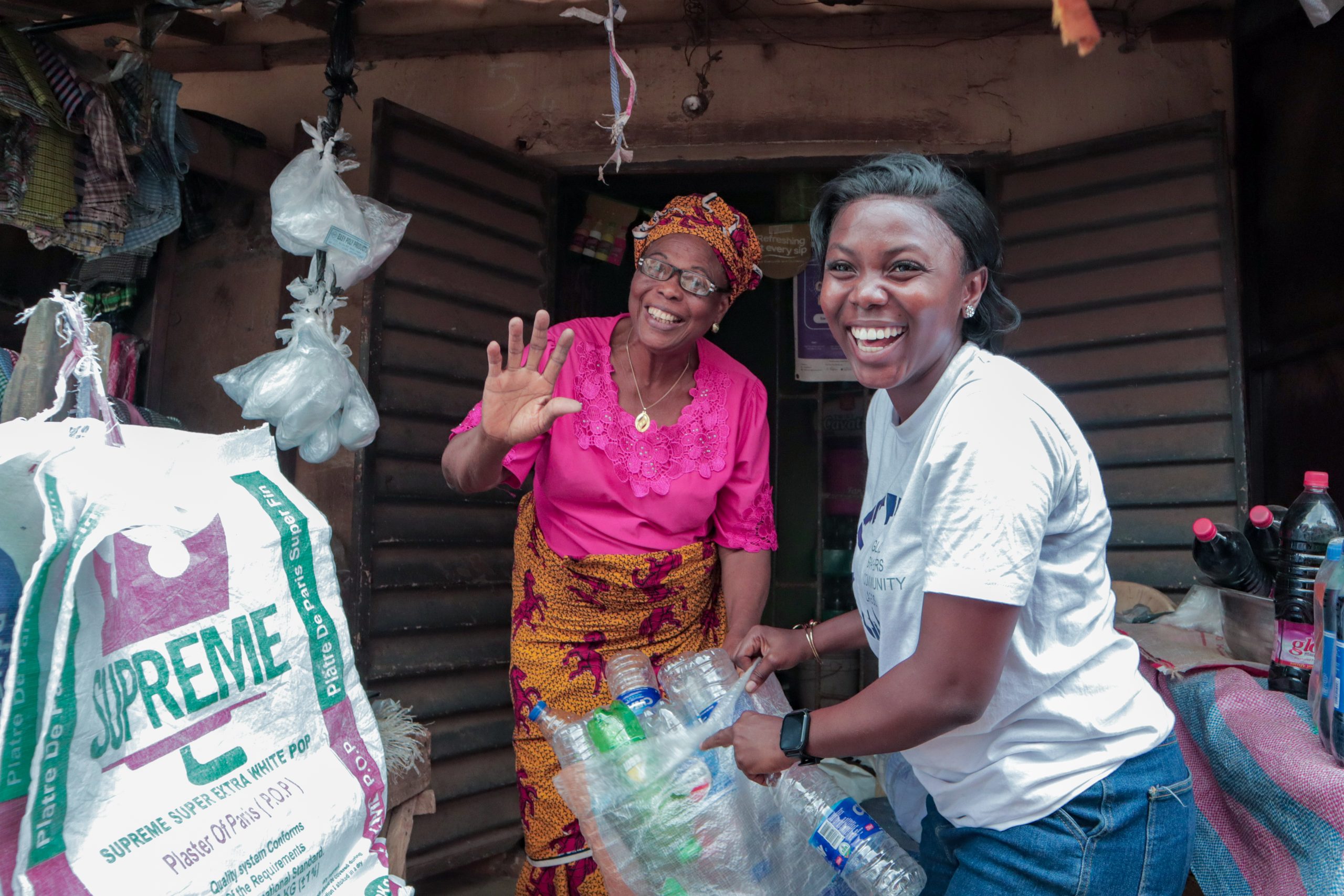
The project commenced its first phase with a community-based Waste Collection Drive at Ipaja Market in Alimosho Local Government Area, Lagos. With a population of over four million residents, Alimosho is one of the state’s largest local government areas and an important community for advancing conversations and action around responsible waste management.
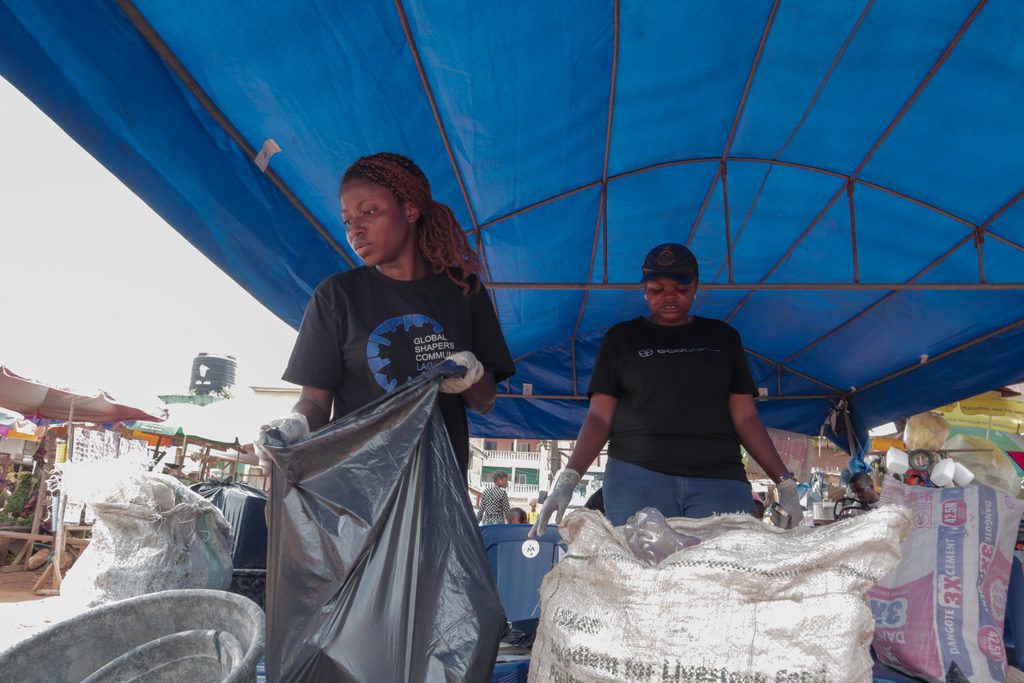
Held on 23 May 2026, the drive brought together residents, traders, business owners, entrepreneurs and other community members. Before the collection exercise, the team conducted a sensitisation campaign to raise awareness about the environmental consequences of plastic pollution and encourage responsible waste disposal, reuse and recycling.
The outcome was significant: 3,000kg of recyclable materials, including PET bottles, were collected from residents and local entrepreneurs. With support from Ecobarter, the materials were properly weighed and collected for responsible recycling, helping connect community participation with the wider recycling value chain.
However, the Green Inheritance Project goes beyond collecting plastic waste. The collection drive is the foundation for its next phase: an Eco-Innovation Hackathon, which will support technology-enabled solutions for localised urban waste tracking and circular economy innovation. By creating room for young innovators to develop solutions that respond to real community challenges, the project seeks to move beyond short-term clean-up efforts towards more sustainable approaches to waste management.
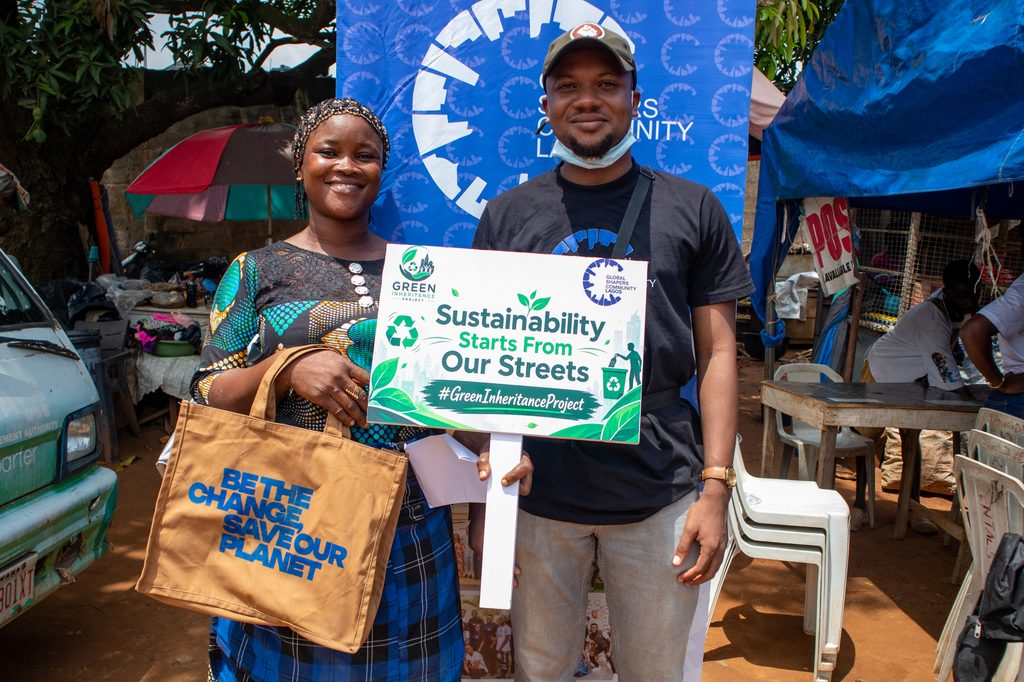
Through the Green Inheritance Project, Global Shapers Lagos is advancing a vision where communities are not merely recipients of environmental interventions but active participants in designing and driving solutions.
From waste collection to innovation, and from innovation to systems change, a cleaner Lagos begins with collective action because waste is no longer just waste when communities have the knowledge, opportunity, and tools to transform it.